LAW SCHOOL SURVIVAL GUIDE
Build Better Outlines
Write Better Exams.
Intro
An outline is a collection of class notes, case briefs and other materials that allows you to access information quickly and efficiently for each law school class. As soon as you’ve finished a topic in class, it’s time to outline it and apply the law to a fact pattern. It’ll give you more time to get help and feedback before the real exam.
Use these tips to help you formulate your own approach.

Did you get it right?
Is your outline ready for finals? You might want to use CoCounsel for this one. Be sure to stress-test your concepts and case summaries.

Outlines aren't just your class notes
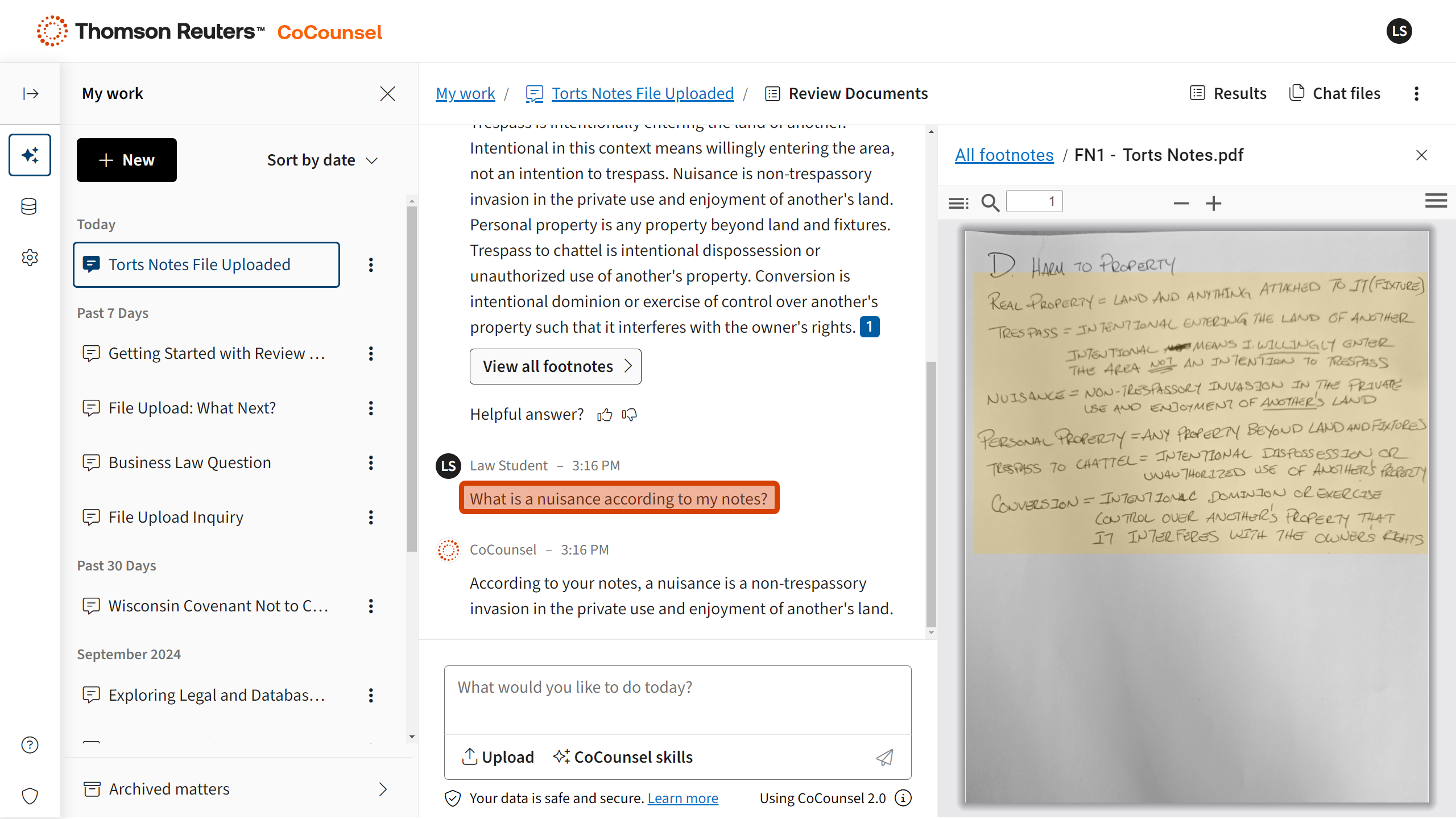
Ask CoCounsel to pull out key information from your notes.
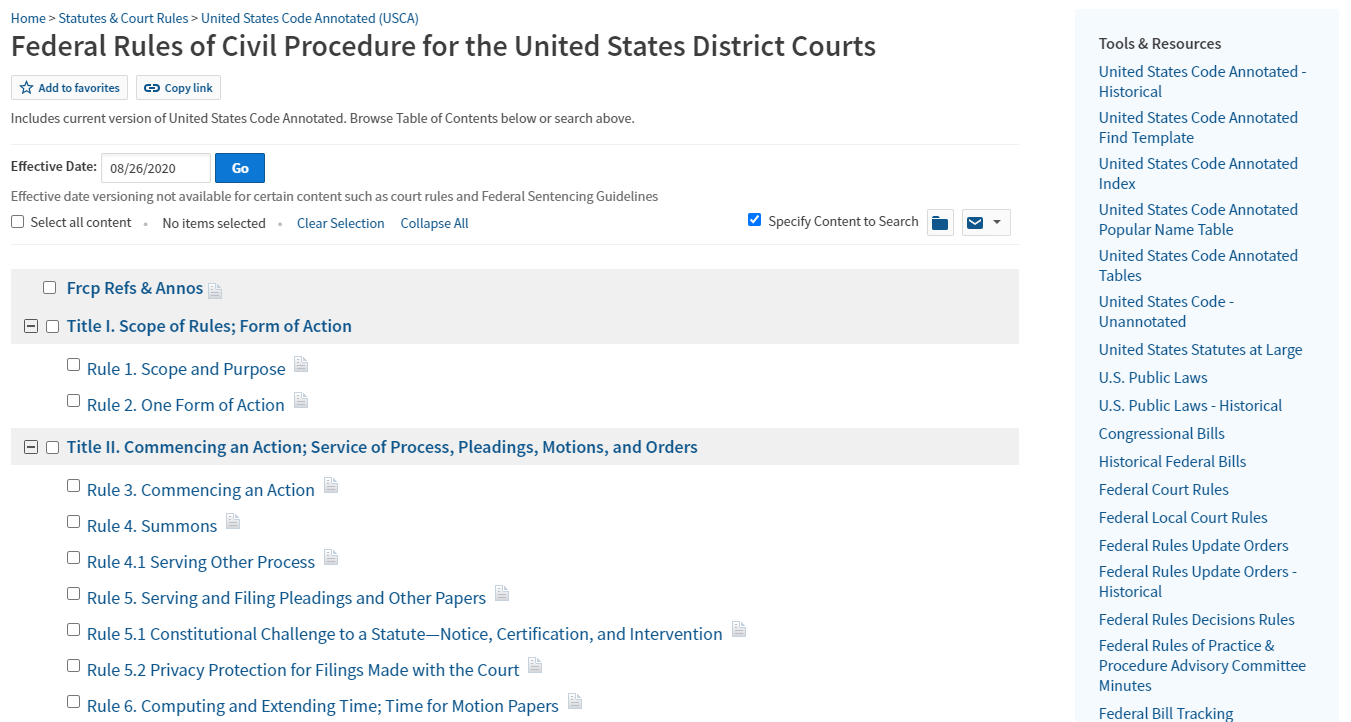
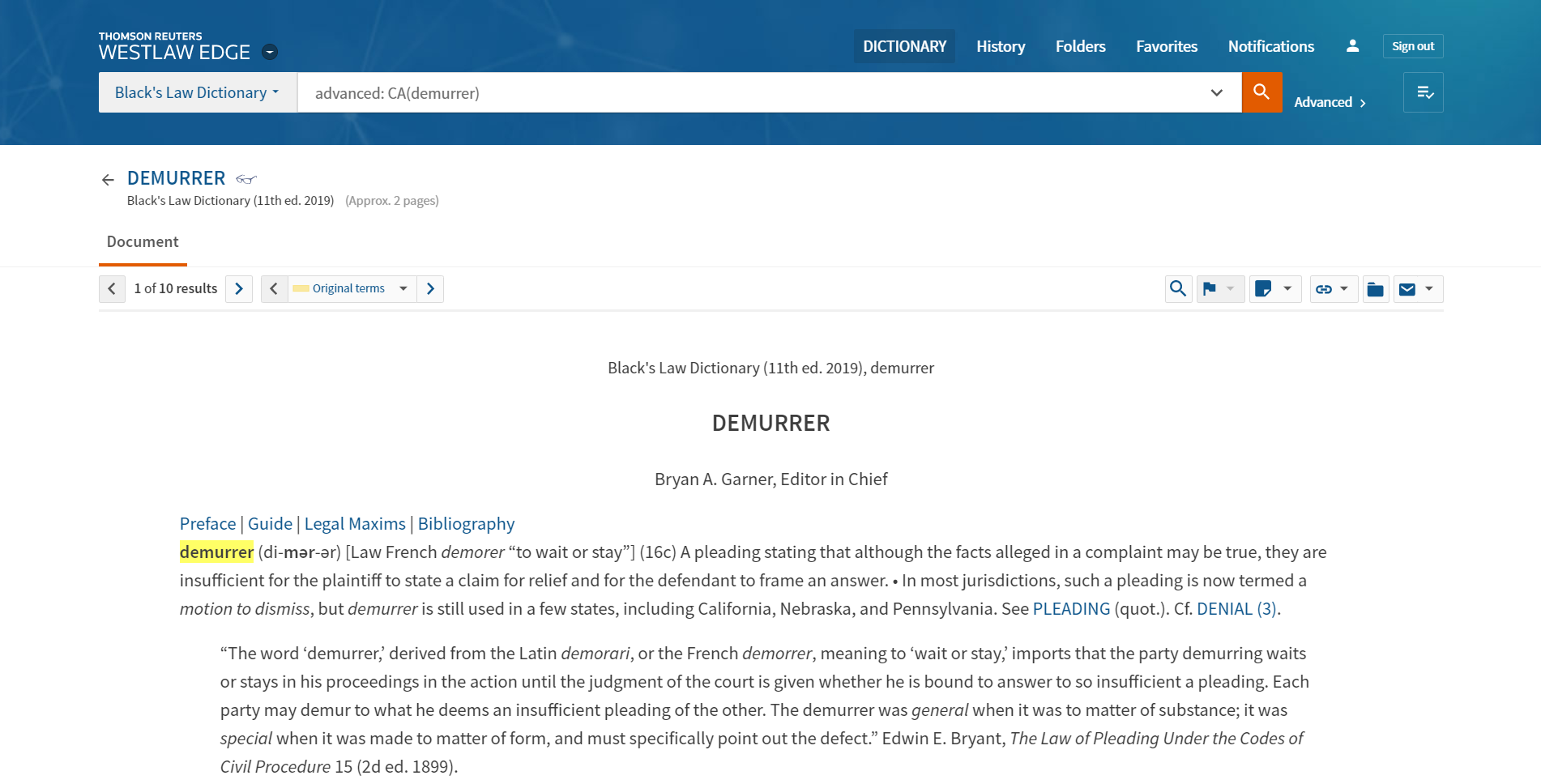
Your outline should build on everything in your notes. Include Black’s Law definitions, case law, and authority like the Restatements, FRCP, and MPC, plus characteristics, differences, checklists, and flowcharts.

Check your outline for accuracy
Ask CoCounsel to verify your interpretation.
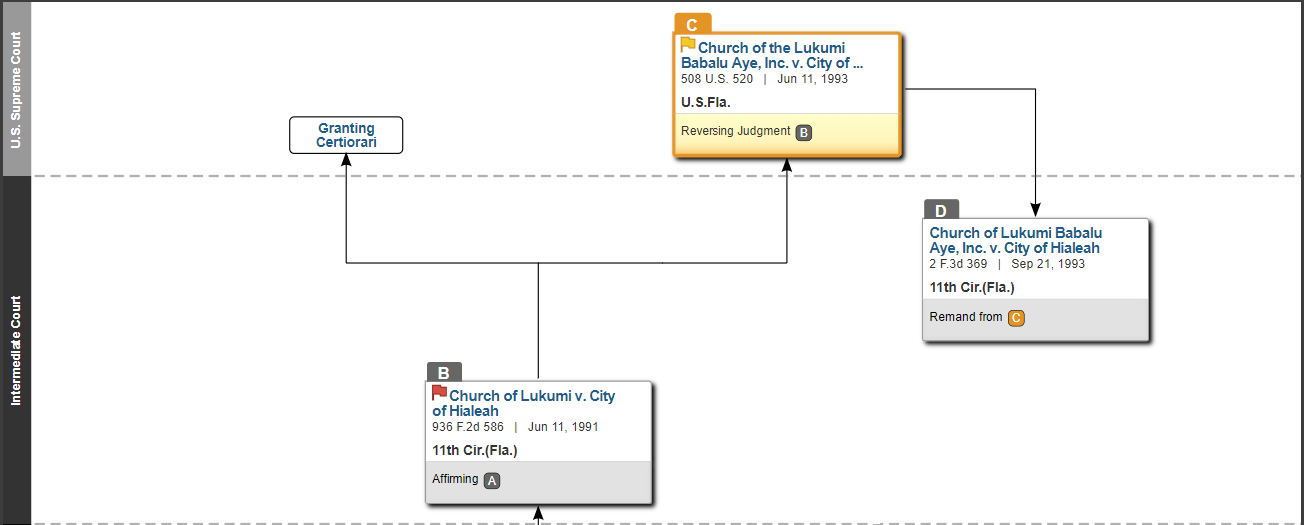
Make sure the meaning of every case, statute, and rule in your outline matches reality. Check your understanding against trusted law, then review the original sources.

Go beyond just words
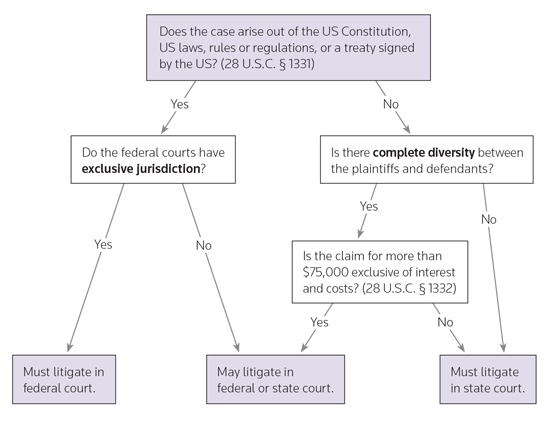
Ask CoCounsel to turn your outline into a checklist or flowchart.
Shape your outline around how you study. Add checklists, flowcharts, hypos, and color coding, and use whatever format helps you think through the material. Test what sticks, and cut what doesn’t.

Start big but end small
Ask CoCounsel to condense your outline.
Throughout the semester, you’ll add class notes, case briefs, and more to your outline, so don’t be surprised if it hits 100 pages. Studying is how you begin to condense it. Before finals, aim for a one-page outline.

Outlining to Win
Learn a three-phase process to organize and condense your many case briefs into a lean, concise, and eminently useful study tool.
Underline key concepts/terms.
Re
Pull out definitions/ rules/ restatements.
Objective Theory of Contracts - 1) One is bound by reasonable interpretation of one's words and actions rather than one's subjective notion of intent. 2) A maker of a promise is legally bound by it irrespective of intent. Cf. § 20 Effect of misunderstanding. §21 Intent to be legally bound
Cases
Enter key cases but don't get carried away.
You care more about the application of the law to the case, not necessarily the case.
The case is your hypo.
Doctrine of Consideration - Something of value (act, forbearance or return promise) received by a promissor from a promisee. Cf. Rstmt §71. Requirement of Exchange; Types of Exchange (Consideration-bargain for bargain) "To constitute consideration, a performance or return Promise must be bargained for.
Cases: Hamer v. Sidway -- Waiver of a legal right is forbearance and constitutes consideration - valid contract., 2. Baehr v. Penn-O-Tex - Forbearance must be bargained for to servce as consideration. Cf. Rest. §71 (above), §73 Performance of legal duty, § 75 Exchange Of Promise For Promise. 3. Dougherty v. Salt - Nothing sought by promissor; a gratuitious promise. - Exchange or promised exchange (or performance) is necessary for consideration. Cf. § 33 Certainty. Related term - Illusory consideration - so small as to be sham or nominal. 4. Batsakis v. Demotsis - Consideration can secure an agreement even if the amount seems disproportional to the promised performance or exchange unless it is sham or nominal. Cf. Rstmt § 79 Adequacy of Consideration; Mutuality of Obligation. Cf. § 77 - Illusory and Alter
Get creative.Add design characteristics to make what you feel like is important stand out! This is your study tool.
Doctrine of Promissory Estoppel: The Protection of Promisee Reliance - Key Rest. § 90 Promise Reasonably Inducing Action or Forbearance
Issue 1 - Promises within the family: Cases 1. Kirksey v. Kirksey - (Early Case - pre PE & reliance) - Gratuitous promise, moving family is not consideration. 2. Greiner v. Greiner (More recent case) - D's moving and making expenditures on land constituted reliance and he suffered detriment. A promise that reasonably induces definite and substantial action or forbearance is binding, especially if injustice can only be avoided by enforcement of the promise.
Issue 2: Charitable subscriptions.
Cases: 1. Allegheny College v. National Chautauqua County Bank - (Cardozo) - An "implied promise" (i.e. to name the memorial after donee) is consideration and accordingly there is a contract. Note: He mentions PE but stretches consideration instead. Dissent - a gift, no contract
Issue 3 - Promises in a commercial context - Application promissory Estoppel to enforce commercial promises in the absence of consideration. Case 1: Katz v. Danny Dare - The Elements of promissory Estoppel are present - 1) A promise of a pension if he retired. 2) reliance on the promise - D chose to retire and take a cut in income, 3) Injustice can only be avoided by enforcing the promise. Ergo - Estoppel may be employed to enforce a commercial employment/pension contract. Case 2: Shoemaker v. Commonwealth Bank